
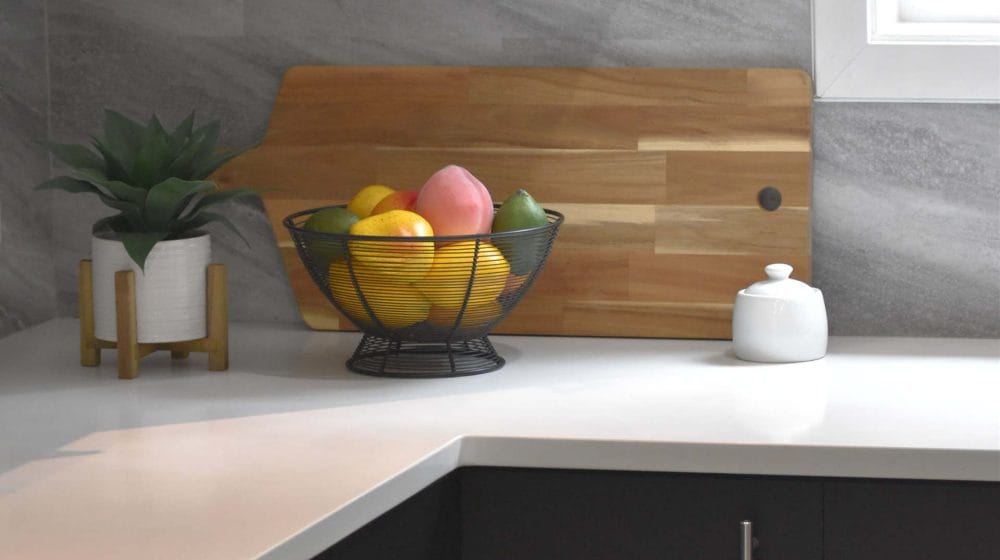
Kitchen countertops are one of the most frequently used surfaces in your home. From preparing meals and serving food to placing hot cookware and cleaning up after cooking, your countertops handle a lot every day. Proper care and maintenance can help keep them looking beautiful, hygienic, and durable for years.
Whether you have marble, granite, quartz, quartzite, or another countertop material, the right cleaning and maintenance routine is essential.
1. Clean Spills Immediately
One of the easiest ways to protect your kitchen countertop is to clean spills as soon as they happen.
Water, coffee, tea, wine, cooking oils, tomato sauce, and other liquids can leave stains or marks if they remain on the surface for too long. Natural stones such as marble can be particularly sensitive to acidic liquids.
Use a soft cloth or paper towel to wipe up spills promptly rather than allowing them to dry.
2. Use a Gentle Cleaner
For everyday cleaning, use a soft microfiber cloth with warm water and a mild, pH-neutral cleaner.
Avoid harsh chemicals, abrasive powders, and strong cleaning products unless the countertop manufacturer specifically recommends them. Some cleaners can damage the finish, dull polished surfaces, or affect natural stone.
A simple daily cleaning routine is often all your countertop needs.
3. Avoid Abrasive Scrubbers
Steel wool, rough scouring pads, and abrasive sponges can scratch certain countertop surfaces.
Instead, use:
- Microfiber cloths
- Soft cleaning sponges
- Non-abrasive countertop cleaners
- Warm water and mild soap
For stubborn marks, allow a suitable cleaner to sit for a short period before gently wiping the area rather than aggressively scrubbing.
4. Protect the Countertop From Heat
Although many countertop materials are heat-resistant, placing extremely hot cookware directly on the surface can potentially cause damage.
Always use trivets, heat pads, or wooden boards under hot pots, pans, baking trays, and other cookware.
This is particularly important for countertops with specific manufacturer care requirements.
5. Always Use a Cutting Board
Don’t use your countertop as a cutting surface.
A sharp knife can scratch some countertop materials, while repeated cutting can leave visible marks over time. Using a dedicated cutting board protects both your countertop and your knives.
A cutting board also provides a more hygienic surface for food preparation.
6. Be Careful With Acidic Foods
Natural stone countertops, especially marble, can react with acidic substances.
Common acidic products include:
- Lemon juice
- Vinegar
- Oranges and other citrus fruits
- Tomato-based sauces
- Wine
- Some cleaning products
Acid can cause etching, which may appear as a dull or lighter-looking mark on polished natural stone.
If an acidic substance spills on your countertop, wipe it up promptly and clean the area with an appropriate stone-safe cleaner.
7. Don’t Let Water Sit Around the Sink
Areas around the kitchen sink are exposed to water every day. Although occasional water exposure is normal, standing water should not be left on the countertop for extended periods.
Dry the surface around the sink after cleaning or washing dishes. This helps prevent water spots and keeps the area looking clean.
8. Use Coasters and Trays
Small habits can make a big difference.
Use coasters under drinks and trays underneath items that may leak or leave moisture behind. Appliances such as coffee machines, kettles, and cooking equipment can also create moisture around their bases.
Keeping these areas dry can help preserve the countertop’s appearance.
9. Seal Natural Stone When Required
Some natural stone countertops require periodic sealing to help reduce the absorption of liquids and stains.
The frequency of sealing depends on:
- The type of stone
- The finish
- How frequently the countertop is used
- The type of sealer
- The manufacturer’s recommendations
Granite, marble, and other natural stones can have different maintenance requirements, so always follow the recommendations for your specific material.
10. Avoid Dragging Heavy Objects
Heavy cookware, appliances, ceramic dishes, and other objects should be lifted rather than dragged across the countertop.
Dragging objects can potentially scratch or damage the surface, particularly around edges and corners.
If you need to move a heavy appliance, lift it carefully or use an appropriate protective method.
11. Take Extra Care of Countertop Edges
Countertop edges and corners can be more vulnerable to impact than the main surface.
Avoid hitting the edges with heavy cookware, appliances, or other hard objects. Be especially careful when moving large kitchen equipment.
Good everyday care can help minimize chips and other accidental damage.
12. Follow the Care Instructions for Your Material
Not every countertop should be maintained in exactly the same way.
Marble Countertops
Marble is a natural stone with unique veining and character. It should be cleaned with stone-safe products, and acidic substances should be removed quickly to reduce the risk of etching.
Granite Countertops
Granite is durable and commonly used in kitchens, but care requirements can vary depending on the stone and finish. Follow the recommended cleaning and sealing schedule.
Quartz Countertops
Quartz surfaces are generally easy to maintain and don’t require sealing in the same way as many natural stones. However, they should still be protected from excessive heat and harsh chemicals according to the manufacturer’s care instructions.
Quartzite Countertops
Quartzite is a natural stone and can offer excellent durability, but its maintenance requirements depend on the specific stone and finish. Proper cleaning and sealing, when recommended, can help preserve its appearance.
A Simple Daily Countertop Care Routine
Keeping your countertop in good condition doesn’t have to be complicated.
After cooking:
- Remove crumbs and food debris.
- Wipe up spills immediately.
- Clean the surface with a suitable mild cleaner.
- Wipe with a clean, damp microfiber cloth.
- Dry the countertop.
- Check around the sink for standing water.
This simple routine can help keep your kitchen countertop looking clean and well-maintained.
Final Thoughts
A beautiful kitchen countertop is an investment in your home. With regular cleaning, prompt spill removal, protection from heat and sharp objects, and the correct maintenance products, you can preserve its appearance and performance for many years.
The most important rule is simple: know your countertop material and follow the care instructions recommended for it. What works for quartz may not be suitable for marble, granite, or another natural stone.
With a little everyday care, your countertop can remain one of the most attractive and functional features of your kitchen.